

They are microprocessors embedded within the microprocessor. Intel’s IME enables remote access (by intel’s own admission). If you are not a corporation who manages a fleet of machines, the backdoor can only be used against you. AMD’s variant called the PSP is similar but closed-source. We don’t really have a complete picture of the extent of the compromise with AMD because of the opacity of it (as AMD proactively denied a request for source code). What we don’t know /can/ hurt us, as we already got stung by a defective driver for the AMD’s PSP.
Even if the spychips were to be hypothetically designed to be aligned with the interests of non-corporate individual consumers, there is no such thing as bug-free software. They have added complexity that works against us and brings vulnerabilities. And we also cannot dispense of the deliberate design whereby some remote actor decides for the user what software is or is not “authorised” to execute. I alone should decide what is authorised on my PC.
So the fix is to use an AMD processor made before ~2014 (roughly speaking), or a pre-2009 intel. AMD chips were behind intel in terms of performance, but probably not 5 years behind. So I figure 2013 AMDs are the most interesting. But we only have a fuzzy idea of which AMD chips are spychip-free.



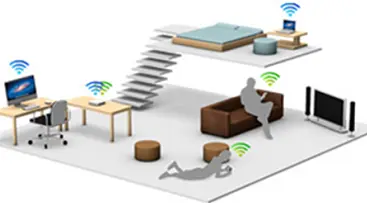



It has nothing to do with your phone. If you have wi-fi at home and the wireless signal reaches the road, then it’s relevant.